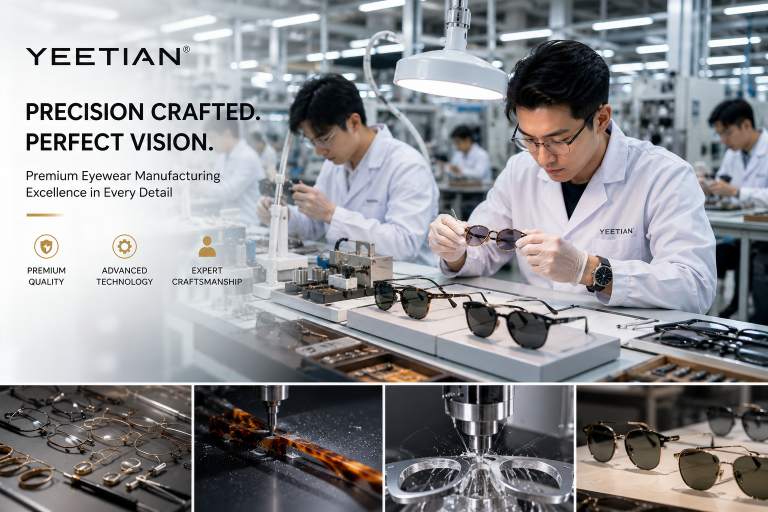
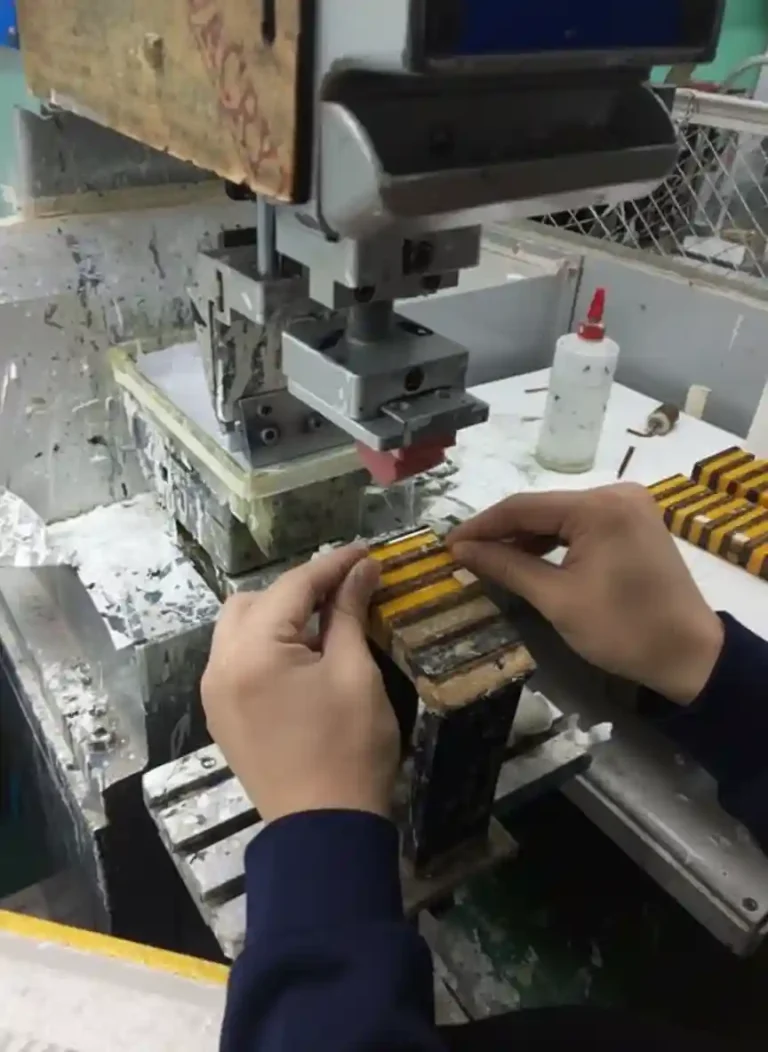
The glasses manufacturing process is a precise combination of design, engineering, and craftsmanship that transforms raw materials into functional and stylish eyewear. From acetate sheets to polished frames, every step is carefully controlled to ensure durability, comfort, and visual appeal.
https://yeetian.com/sunglasses-manufacturer/
/eyewear-design-trends/
/modern-eyewear-design-process/
TL;DR
Material baking is the foundational step in eyewear manufacturing. Its main goal is to remove moisture from acetate sheets, increase material density, and prevent frame deformation right from the source.
We use a strict low-temperature slow-baking process: 55°C–65°C for a full 7 days — much longer than the industry standard of 3–5 days.
Insufficient baking leaves behind internal stress that can cause dizziness, warped frames, optical misalignment, and even gradual vision decline — problems that often appear weeks after the customer starts wearing the glasses.
With 10 large industrial ovens running 24/7 on full automation, we balance uncompromising quality with efficient production. We would rather extend delivery slightly than shorten the baking time.
Whole-sheet baking, real-time monitoring, and comprehensive post-bake testing form the first unbreakable line of defense for long-term frame stability.
Eyewear Manufacturing Process Explained — Material Baking
A pair of glasses may look simple, but it goes through hundreds of precise steps from raw material to finished product. Among all these processes, one critical stage is often overlooked — yet it ultimately determines the long-term quality and performance of the frame: material baking.
https://www.visioncouncil.org
Many common customer complaints — frame deformation, dizziness when wearing, blurred vision, or discomfort — often seem related to later assembly, but they frequently trace back to this initial baking stage. This article breaks down the baking process in eyewear manufacturing, covering its purpose, technical parameters, equipment, quality control, time logic, common issues, and competitive differences.
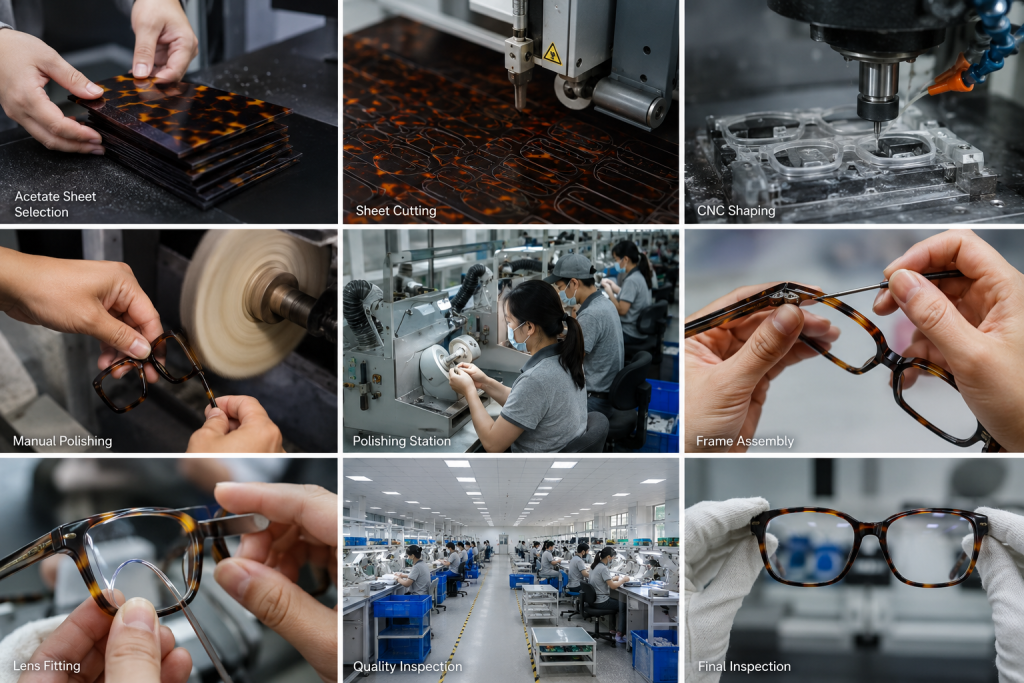
1. Material Selection
The process begins with selecting high-quality materials such as acetate, metal, titanium, or stainless steel. Acetate is especially popular due to its flexibility, lightweight feel, and premium finish.
2. Frame Design and Cutting
Designers create frame patterns based on fashion trends and optical standards. These designs are then cut into raw materials using advanced CNC machines or laser cutting technology for precision shaping.
3. Shaping and Molding
Once cut, the frames are heated and molded into their final shape. This step ensures proper curvature, fit, and structural balance.
4. Polishing and Surface Finishing
Frames are polished multiple times to remove rough edges and enhance shine. This gives eyewear a smooth, premium appearance.
5. Lens Preparation and Fitting
Lenses are crafted based on prescription or design requirements. They are then carefully fitted into the frame with high accuracy to ensure perfect alignment.
6. Quality Inspection
Each pair of glasses undergoes strict quality checks for durability, alignment, flexibility, and visual clarity before packaging.
7. Final Packaging
After passing inspection, the eyewear is cleaned, labeled, and packaged for distribution worldwide.
1. Purpose of Material Baking: Trading Time for Lasting Quality
Material baking involves placing full acetate sheets into precision-controlled ovens following a strict temperature curve. The single core objective is to remove internal moisture, increase material density, and prevent deformation in the finished eyewear from the very beginning.
Acetate sheets, a high-molecular polymer commonly used in frames, naturally contain moisture and internal stress. Without thorough baking, these elements remain trapped. When the material moves directly into cutting, grinding, and heat-forming stages, the trapped moisture and stress slowly release during real-world use, causing subtle but noticeable frame deformation over weeks or months.
In short, baking is a race against time to eliminate internal stress. In eyewear manufacturing, skipping or rushing this step makes overall quality unreliable. Proper baking not only improves density but also stabilizes the molecular structure, providing a solid foundation for all subsequent precision processes.
2. Real Problems Caused by Inadequate Baking: From Dizziness to Vision Issues
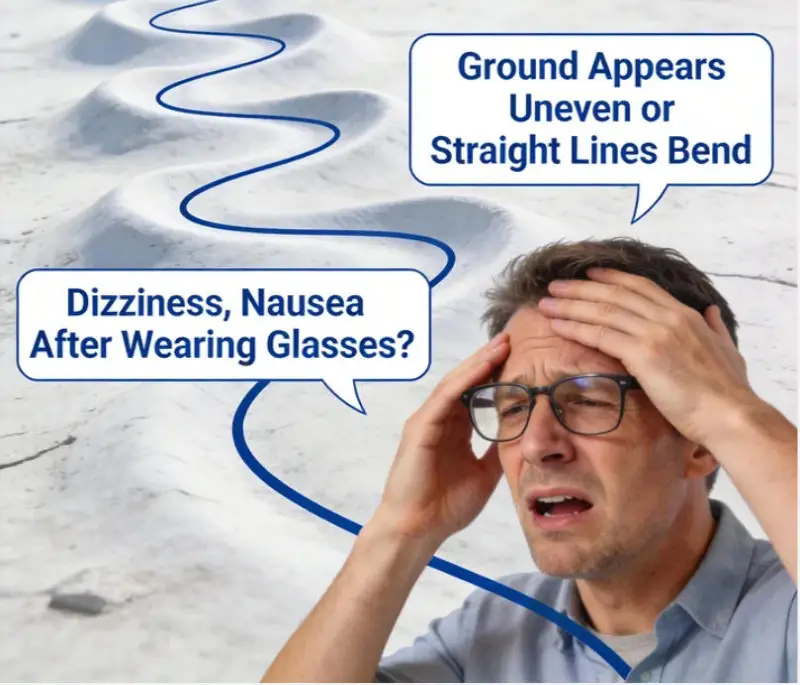
Many wearers have experienced frustrating issues: dizziness or nausea shortly after putting on new glasses, the feeling that the ground looks uneven or straight lines appear curved; frames that constantly slide down or press painfully against the nose and ears; single-eye blurriness where vision is actually worse than with old glasses; or physical defects like scratched lenses, loose screws, and uneven temples.
A large portion of these problems stem directly from uneven internal stress in the frame material due to insufficient baking. Even slight twisting shifts the optical center of the lenses, creating unwanted prism effects that force the eyes to compensate — leading to headaches, eye strain, and in severe cases, accelerated vision decline.
For prescription glasses, this can seriously reduce corrective effectiveness. For sunglasses, warped frames allow light leakage, defeating their protective purpose. In eyewear manufacturing, these hidden defects are a major cause of high return rates and damaged brand reputation.
3. Technical Parameters & Execution Standards

The table below outlines our core technical parameters and standards in the eyewear manufacturing baking process:
| Parameter | Our Standard | Benefits & Explanation | Risks if Not Followed |
|---|---|---|---|
| Temperature Range | 55°C–65°C precise constant temperature | Effectively removes internal moisture, allows slow molecular relaxation while preserving material toughness and optical compatibility | Too low: incomplete moisture removal; Too high: scorching, discoloration, or structural damage |
| Baking Duration | 7 full days (168 hours) | Ensures slow, uniform shrinkage and complete stress release for long-term dimensional stability | Too short: residual stress remains, leading to later deformation |
| Control Method | Real-time multi-point sensors + data-driven optimization | Adjusts temperature curves based on each batch’s initial moisture level for consistent best results | Poor control: uneven heating and inconsistent material performance |
| Process Philosophy | Low-temperature slow baking + whole-sheet processing | Maximizes material integrity and avoids micro-damage caused by high-temperature fast baking | High-temperature shortcuts: creates false stability that fails over time |
These rigorous standards are the foundation of high-quality eyewear manufacturing. Through precise control, we ensure every sheet achieves optimal physical and chemical properties before moving to the next stage.
4. Why 7 Days? Our Approach vs. Competitors
Here’s a clear comparison between our baking process and that of many competitors:
| Comparison Item | Our Standard (7 Days) | Typical Competitors (3–5 Days) |
|---|---|---|
| Baking Duration | Full 7 days (168 hours) | 3–5 days |
| Temperature Control | Strict 55°C–65°C low-temperature slow bake | Often uses higher temperatures to speed up the process |
| Cost Impact | Higher energy and time cost, but superior long-term quality | Lower short-term cost and faster turnover |
| Main Risks | Almost no risk of scorching, fire, or trapped internal moisture | Higher risk of scorching, fire, and “dry outside, wet inside” condition |
| Material Stability | Uniform density, complete stress release, long-term shape retention | Uneven density and false stability that fails with seasonal changes |
| Quality Outcome | High stability, safe for ocean shipping, very low return rates | Good appearance initially, but prone to warping and optical issues later |
| Impact on Customers | Comfortable, durable wear with reliable vision protection | Possible dizziness, vision strain, and frequent adjustments |
Our 7-day standard is based on extensive testing and long-term data. While it increases cost and may slightly extend delivery, it delivers frames that truly last — a key differentiator in competitive eyewear manufacturing.
5. Equipment & Production Capacity: 10 Large Ovens Running 24/7
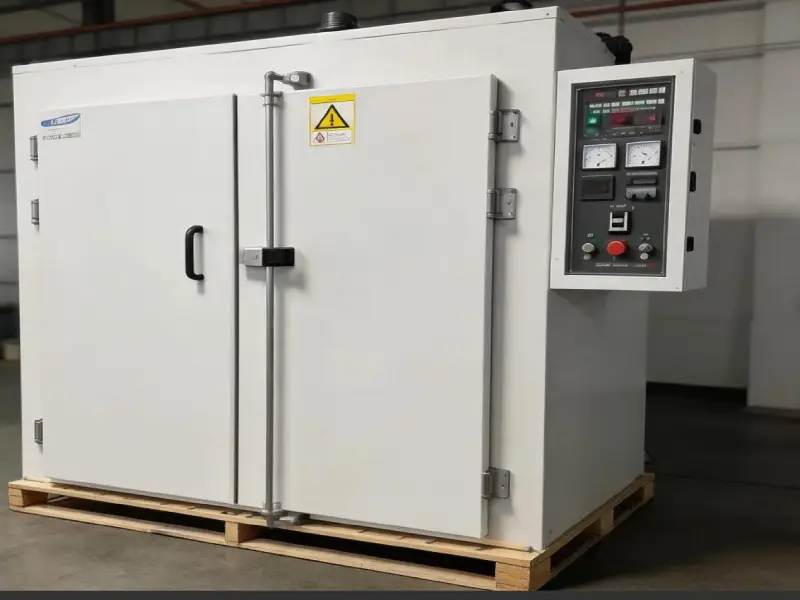
To maintain uncompromising quality while meeting reasonable delivery times, we have invested heavily in advanced equipment. Our facility operates 10 large precision-controlled ovens running 24 hours a day, 7 days a week on full automation.
These ovens feature intelligent programming that can handle multi-week temperature curves without manual intervention. High-efficiency air circulation and moisture exhaust systems ensure uniform heating and consistent results. This setup allows us to uphold the strict 7-day baking standard in eyewear manufacturing while maintaining strong production capacity.
https://yeetian.com/what-is-acetate-eyewear/
https://yeetian.com//benefits-of-acetate-glasses/
6. Strict Quality Control Systems & Process Stability
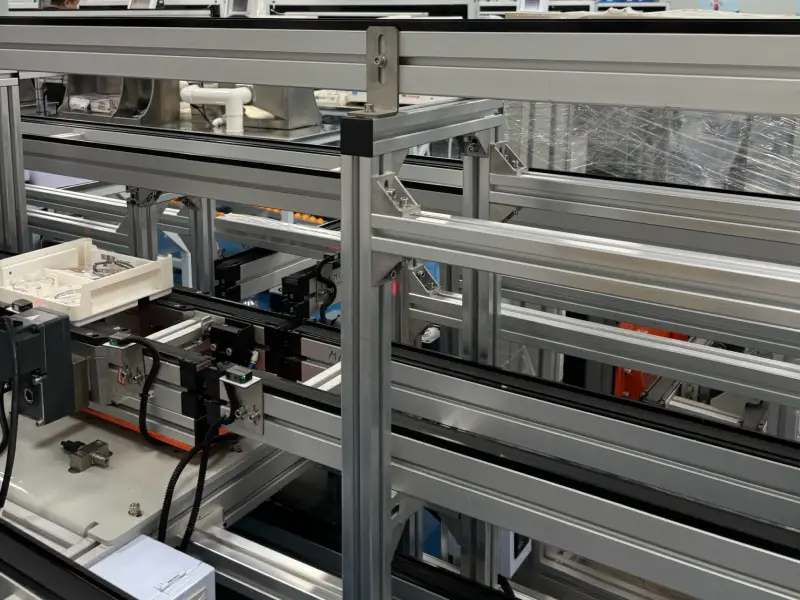
Our baking process is supported by a comprehensive real-time monitoring system with multiple high-precision sensors. Any temperature deviation triggers immediate alerts. We test initial moisture levels before baking, conduct sampling every 24 hours during the process, and perform full physical and chemical tests afterward.
We also insist on baking entire uncut sheets to ensure uniform shrinkage and consistent density. This source-level control significantly improves long-term stability in eyewear manufacturing, allowing our frames to withstand ocean shipping and extreme climates without deformation. Third-party laboratory verification further ensures every batch meets international optical material standards.
7. Balancing Delivery Time with Quality & Long-Term Advantages
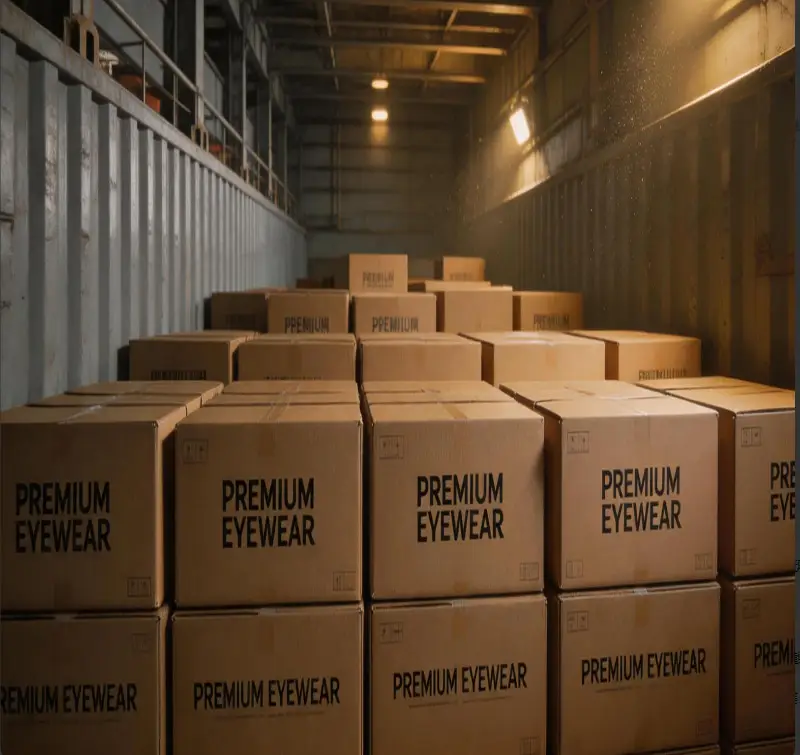
Here’s how our approach to delivery and quality compares with many competitors:
| Comparison Item | Our Approach | Typical Competitors |
|---|---|---|
| Delivery Handling | Transparent communication — we prefer slight delays over compromising baking time | Prioritize shortest possible delivery by shortening baking |
| Quality Priority | Quality always comes first — never ship products with potential hidden issues | Delivery deadlines often take priority over full material stability |
| Shipping Stability | Safe for ocean freight and extreme climate conditions | Higher risk of deformation during long-distance shipping |
| After-Sales Complaint Rate | Extremely low — builds strong customer trust | Relatively high due to deformation issues |
| Core Competitive Advantage | Superior long-term stability from full 7-day baking | Short-term cost advantage, but weaker long-term performance |
| Future Direction | Continuous investment in smart oven systems and personalized baking curves | Focus mainly on speed and lower pricing |
In eyewear manufacturing, we firmly believe that superior quality is more important than rushing delivery. As customers increasingly demand better products, this source-focused approach is becoming the industry standard. We will continue upgrading our systems to deliver even more reliable eyewear.
Conclusion
In the precision world of eyewear manufacturing, material baking is the critical first step that sets the foundation for success. By gently baking acetate sheets at 55–65°C for a full 7 days, we transform raw material into stable, high-performance frame bases.
We know that the world our customers see through their glasses should be clear, comfortable, and distortion-free. That’s why we remain committed to patience and thoroughness in a fast-paced industry. True quality starts at the source — and we take that responsibility seriously.
https://en.wikipedia.org/wiki/Eyeglass